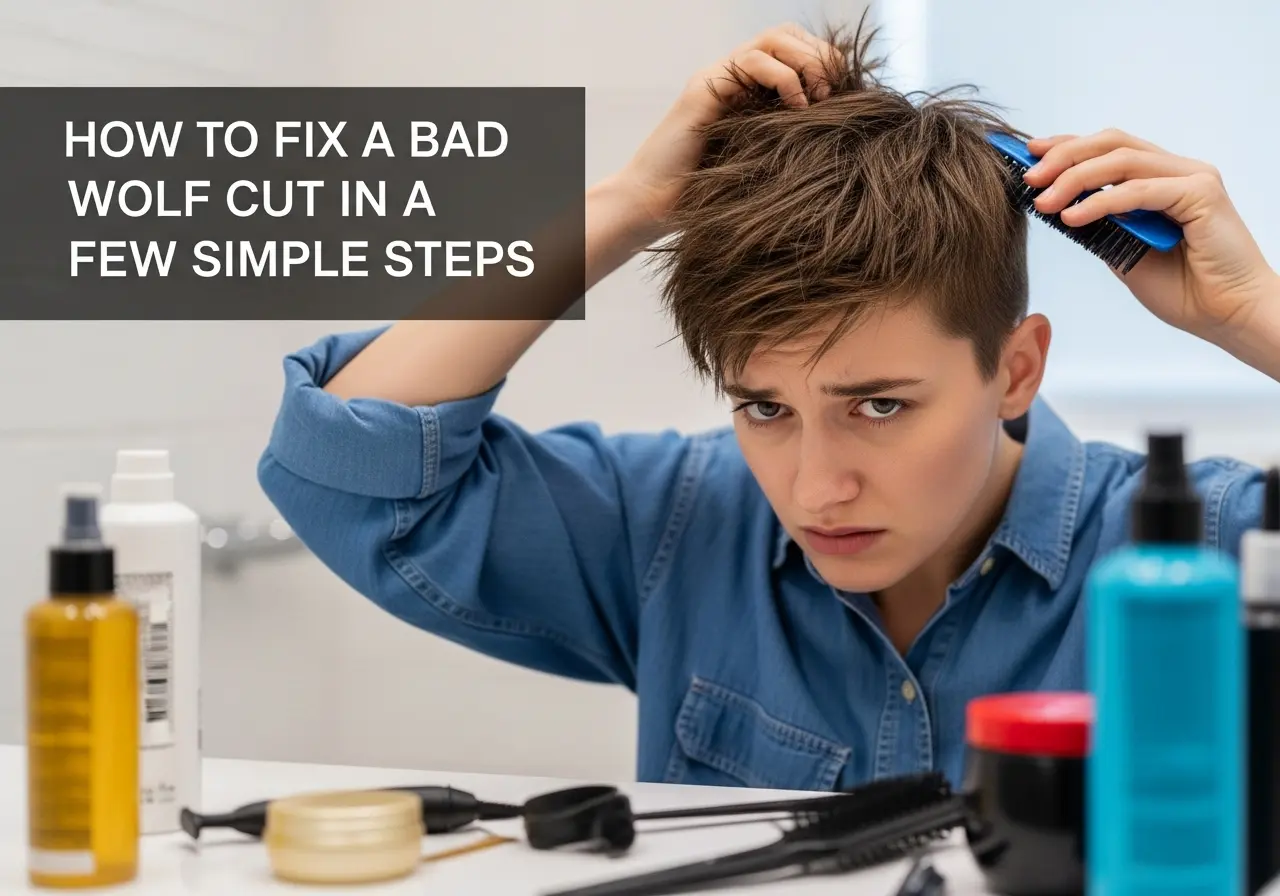
How to Fix a Bad Wolf Cut in a Few Simple Steps
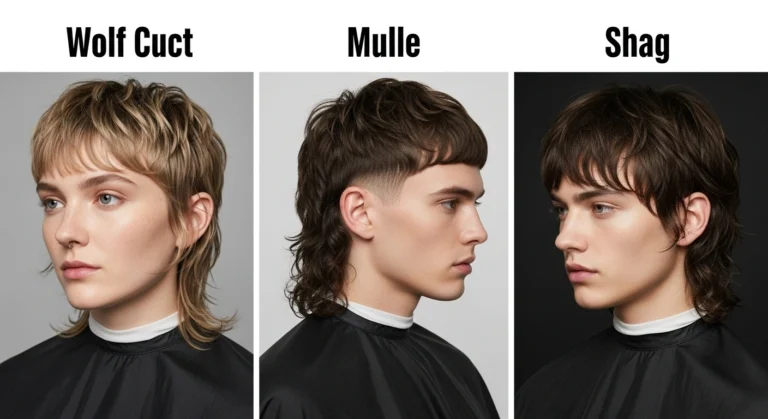
The wolf cut has taken social media by storm, blending shaggy layers with a mullet-inspired silhouette. But let’s be honest—achieving this trendy look isn’t always straightforward. Many people end up with a cut that’s too choppy, uneven, or just doesn’t look right.
The good news? Most wolf cut disasters can be fixed without starting from scratch. Whether you’re dealing with disconnected layers or unflattering face-framing pieces, this guide will help you transform your disappointing cut and fix a bad wolf cut into the stylish look you originally wanted.
Understanding What Went Wrong
Before you grab the scissors, take a moment to figure out what’s actually wrong with your cut. Common issues include:
- Excessively choppy layers that don’t flow together
- Face-framing pieces that are too short or blunt
- Imbalanced ratio between top and bottom sections
- Uneven sides
- A style that doesn’t suit your hair texture
Look at your hair in natural lighting and take photos from multiple angles. This helps you see the problems objectively and decide whether you can fix things yourself or need a professional.
Minor issues like slightly uneven ends or too much bulk? You can probably handle those at home. Severely botched cuts with major unevenness? That’s when you should call a stylist.
Blending Choppy Layers
Choppy, disconnected layers are probably the most common wolf cut complaint. When your layers look harsh instead of flowing naturally, here’s what to do.
Start with clean, dry hair so you can see the true shape. If you have thinning shears or texturizing scissors, great! Hold small sections at a slight angle and make gentle point-cutting motions along the ends. This removes bulk and creates a feathered effect.
Don’t have special scissors? Regular ones work too. Instead of cutting straight across, angle your scissors vertically and snip into the ends. This creates soft, irregular edges that blend naturally. Just work slowly and cut small amounts at a time—you can always take more off, but you can’t put it back.
Focus on areas where you see the most obvious disconnection, usually around the crown and mid-lengths.
Fixing Face-Framing Layers
Face-framing pieces make or break a wolf cut, but they’re also the easiest to mess up.
If they’re too short: Unfortunately, there’s no quick fix here. While they grow out, style them away from your face using a round brush when blow-drying. This makes them look more intentional and less like a mistake.
If they’re too blunt or heavy: Section out the front pieces and use point-cutting to soften the ends. Cut at an upward angle to create pieces that gently taper instead of ending abruptly. This gives you that wispy, textured look that wolf cuts are known for.
If one side is shorter than the other: You can carefully trim the longer side to match, but only if the shorter side is at an acceptable length. When in doubt, leave it alone. Trying to fix severe asymmetry yourself often leads to a cutting cycle that leaves you with much shorter hair than you wanted.
Adjusting the Overall Shape
A proper wolf cut needs balance between volume at the crown and length at the bottom.
Too top-heavy? Use thinning shears horizontally through the crown area in small sections. This reduces density without dramatically shortening your hair.
Too flat on top? Add subtle layers to the crown. Part your hair down the middle, pull sections straight up perpendicular to your scalp, and trim small amounts. This creates lift and volume. Go slow here—cut less than you think you need.
The signature wolf cut has a distinct disconnection between short top layers and longer underneath sections. If this transition looks too abrupt, blend the area by taking horizontal sections where the lengths meet and using point-cutting to soften the line.
Taming Excessive Texture
Sometimes the problem isn’t the cut itself—it’s over-texturizing. If your hair looks stringy and damaged rather than stylishly shaggy, focus on health and styling instead of more cutting.
Use deep conditioning treatments weekly on your mid-lengths and ends. Skip heat styling when possible, and always use heat protectant when you do need hot tools.
For styling, apply a small amount of smoothing serum to damp hair before drying. This helps pieces clump together naturally instead of separating into thin strands. Use a diffuser on low heat and scrunch gently while drying to enhance natural texture without creating frizz.
Working with Your Hair Texture
Here’s something many people don’t realize: wolf cuts don’t work equally well on all hair types. The style shines on straight to wavy hair with medium to thick density.
Fine hair looking flat? Focus on volumizing products at the roots and texturizing sprays for grip and fullness. Blow-dry with your head flipped upside down to maximize lift.
Thick hair looking too bulky? Strategic thinning helps, but be careful not to overdo it. Focus on interior sections rather than the visible outer layer to reduce weight while keeping a smooth surface.
Very curly or coily hair? The layers might not showcase as intended. Consider whether the wolf cut is the right style for your texture, or if you need to adapt your approach.
Styling Techniques for Camouflage
While you’re fixing the physical problems, smart styling can hide imperfections.
Beach wave sprays and sea salt texturizers are your friends here. They enhance that tousled, undone aesthetic that makes minor issues less noticeable. Apply to damp hair, scrunch, and let air-dry or use a diffuser.
Use a flat iron or curling wand to curl disconnected pieces, which helps blend layers that don’t naturally flow together. Alternate curl directions for a natural look, and leave the last inch uncurled to maintain those piece-y ends.
Don’t underestimate accessories either. Headbands, clips, and scarves can conceal problem areas around your hairline or crown while sections grow out. Plus, they add to that cool, effortless vibe the wolf cut aims for.
When to Seek Professional Help
Some situations require professional intervention:
- Severely uneven hair with one side dramatically shorter
- Layers so disconnected they create a mushroom or pyramid shape
- You’ve attempted multiple DIY fixes without improvement
- The cut is so bad you’re avoiding mirrors
Stylists have the training, tools, and perspective to see your head from all angles. They can assess how your hair naturally falls and make adjustments that work with your growth pattern and texture.
When you visit a stylist for corrective work, bring reference photos—both the wolf cut you wanted and pictures of your current problematic cut. This visual communication helps them understand your expectations and create an effective correction plan.
Moving Forward
Fixing a bad wolf cut takes patience and realistic expectations. By blending choppy layers, adjusting face-framing pieces, balancing the overall shape, and working with your natural texture, you can significantly improve an unflattering cut.
Remember that hair grows about half an inch per month, so time is on your side. Strategic styling and proper care support the correction process while problematic areas grow out.
Whether you tackle careful at-home adjustments or consult a professional, these strategies will help transform your disappointing wolf cut into a hairstyle you actually want to wear. And next time? Maybe bring reference photos to your stylist and have a thorough consultation before the cutting begins. Click to read relevant resources like How to Maintain Your Wolf Cut Between Salon Visits.

Alex Morgan is a professional hairstylist and hair trends enthusiast with over 8 years of experience in modern and classic cuts. Specializing in the wolf cut haircut for all hair types, Alex has worked with clients across the USA to create effortlessly stylish, face-framing looks that blend texture with volume.