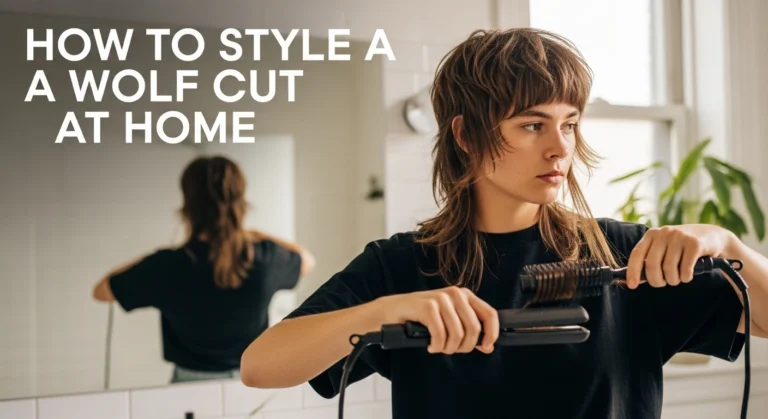

How to Fix a Bad Wolf Cut
The wolf cut is one of the most viral hairstyles of the decade — a perfect blend of shag and mullet that gives volume, edge, and personality. However, like all trendy cuts, not every attempt turns out perfect. If your wolf cut looks uneven, flat, or just doesn’t match your face shape, don’t panic. You don’t need to chop it all off or start from scratch.
In this guide, we’ll show you how to fix a bad wolf cut, step by step — whether you got too many layers, lost volume, or ended up with an awkward mullet look. You’ll also learn professional correction techniques, styling hacks, and maintenance tips to restore shape and confidence to your look.
What Makes a Wolf Cut Go Wrong?
The wolf cut is intentionally messy, but achieving that “controlled chaos” requires precision. The cut combines short, choppy layers near the crown and longer, blended ends, which can easily go wrong if not balanced.
| Common Problem | What Went Wrong | Resulting Look |
|---|---|---|
| Layers cut unevenly | Too much weight removed on one side | Lopsided shape |
| Over-thinning | Overuse of thinning shears or razors | Flat, lifeless volume |
| Too short on top | Crown cut too high or short | Mullet-like imbalance |
| Wrong layering technique | Improper sectioning | Chunky, unblended layers |
| Incorrect styling | Not texturizing or shaping after washing | Loss of definition and bounce |
Step 1: Identify What’s Wrong with Your Wolf Cut
Before fixing anything, you need to analyze your wolf cut’s problem areas. Stand in front of a mirror and check:
- From the front: Do your bangs or front layers feel too thick or uneven?
- From the sides: Are your layers smooth and blended or choppy and harsh?
- From the back: Does the bottom look too long or heavy compared to the top?
Take a few photos under good lighting or ask a friend to help you identify where the balance is off.
Once you pinpoint the issue, you can choose the right fix from the sections below.
Step 2: Fix Uneven Layers
Uneven layers are the most common wolf cut mistake. They make your hair look messy in the wrong way — not effortlessly undone, but unbalanced.
How to Fix:
- Section your hair properly.
Divide your hair into 3 horizontal sections — top (crown), middle (mid-lengths), and bottom (ends). - Even out top layers.
If one side is shorter, take small vertical sections from the longer side and trim them slightly to match. Always trim conservatively (¼ inch at a time). - Blend with a razor or thinning shears.
If layers are too harsh, use a razor comb to lightly soften transitions. - Style with volume spray or mousse.
A bit of root lift helps disguise minor unevenness and brings back the wolf cut’s airy shape.
Step 3: Add Volume Back to a Flat Wolf Cut
A flat wolf cut loses its signature edge. The goal is to rebuild texture and bounce, especially near the crown and sides.
Causes of Flatness:
- Over-thinning or using heavy oils/products.
- Hair too long between trims.
- Brushing too often or roughly.
How to Fix a Flat Wolf Cut
| Method | Description | Tools Needed |
|---|---|---|
| Dry Cutting at the Crown | Create soft, short pieces around the crown for lift | Hair shears, mirror |
| Use Volumizing Products | Apply mousse or texturizing spray near roots | Volumizing spray, blow dryer |
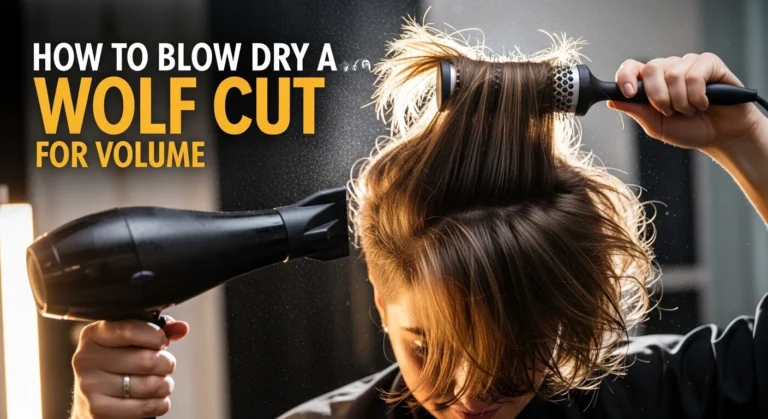
| Round Brush Blow-Dry | Blow dry upward at the roots with a round brush | Medium round brush |
| Diffuser Technique | Use diffuser upside-down for volume (curly/wavy hair) | Blow dryer with diffuser |
💡 Pro Tip: Use dry shampoo at the roots even on clean hair — it adds texture and structure to keep your wolf cut bouncy.
Step 4: Fix Overly Short or Harsh Bangs
Bangs can make or break your wolf cut. If they’re too short, thick, or harshly cut, the whole style looks off-balance.
How to Fix:
- Soften the edges.
Take small pieces and point-cut the ends vertically to blur the line. - Side-style short bangs.
If your bangs are too short, part them slightly to one side and blend with front layers. - Add face-framing layers.
Cut longer pieces around your temples to bridge the gap between short bangs and longer hair. - Use texture sprays.
A sea salt spray or light wax gives bangs shape and separation without heaviness.
Step 5: Blend Harsh Transitions
If your wolf cut looks like two different hairstyles — short on top, long at the bottom — blending is key.
How to Blend Layers Naturally
- Dry cut in vertical sections.
Take small vertical strands and use point cutting to remove bulk while keeping texture. - Use a blending shear.
Work from mid-length to ends, lightly opening and closing the shears to blur transitions. - Blow-dry strategically.
Dry layers in alternating directions for natural movement. - Texturize with product.
Use matte pomade or sea salt spray to define layers and soften lines.
| Tool | Purpose | Ideal Hair Type |
|---|---|---|
| Blending Shears | Softens harsh lines | Thick/medium hair |
| Razor Comb | Adds feathered texture | Straight or wavy |
| Sea Salt Spray | Defines movement | All types |
| Matte Clay | Enhances choppy finish | Short or medium hair |
Step 6: Fix Too Much Volume (Overly Puffy Wolf Cut)
If your wolf cut turned out too puffy or frizzy, especially at the top, it’s likely due to excessive layering or coarse texture.
How to Tame Volume Without Losing Style
- Moisturize your hair.
Use a lightweight conditioner or leave-in cream to smooth cuticles. - Blow-dry downward.
Use a flat paddle brush and direct airflow downwards to control frizz. - Add subtle weight.
Trim the ends slightly longer to add gravity and reduce puffiness. - Use anti-frizz serum.
A pea-sized amount can calm the top without flattening the layers.
| Product Type | Example Ingredient | Benefit |
|---|---|---|
| Leave-in Cream | Argan oil | Moisturizes and softens |
| Serum | Dimethicone | Smooths frizz instantly |
| Lightweight Oil | Jojoba oil | Adds shine without heaviness |
Step 7: Correct Overgrown or Outdated Wolf Cuts
If your wolf cut has grown out awkwardly — with no clear shape or volume — you can reshape it without a full haircut.
How to Refresh an Overgrown Wolf Cut
- Trim the crown layers only.
This brings back lift without losing length. - Refine the face frame.
Recut short pieces around your cheeks to restore structure. - Add texture through styling.
Use heatless waves, curling irons, or braids overnight to reshape layers.
DIY Styling Shortcut:
Spray dry hair with sea salt spray → Scrunch upward → Blow-dry with diffuser → Finish with lightweight wax on ends.
You’ll instantly revive the messy, voluminous wolf cut vibe.
Step 8: Professional Fixes for Bad Wolf Cuts
If DIY trimming doesn’t solve it, visiting a stylist is worth it. A professional can reshape your cut while keeping the wolf cut’s signature elements intact.
Ask Your Stylist For:
| Issue | What to Request | Result |
|---|---|---|
| Uneven Layers | Soft texturizing and blending | Smooth, cohesive layers |
| Flat Crown | Internal layering | Fuller volume |
| Harsh Bangs | Feathered fringe | Softer transition |
| Overgrown Cut | Crown reshaping | Revived silhouette |
Step 9: Styling Tricks to Hide Mistakes
Until your wolf cut grows out or gets fixed, styling can save the day.
Quick Styling Fixes
- Curl the ends outward: Adds intentional texture and hides uneven layers.
- Use a headband or clips: Distracts from uneven bangs.
- Half-up style: Lifts the crown and conceals blunt transitions.
- Add waves: Loose curls help blend layers naturally.
💡 Pro Tip: Never style your wolf cut when it’s fully straight if it’s uneven — texture hides flaws better.
Step 10: Grow It Out Gracefully
If your wolf cut is beyond repair, focus on growing it out while maintaining shape.
Growth Strategy
- Trim every 6–8 weeks: Removes split ends and maintains a soft shape.
- Add light layers gradually: Avoid chopping too much at once.
- Switch to a shag or layered lob: Natural transitions from a wolf cut.
- Protect hair health: Use nourishing masks weekly.
| Product Type | Frequency | Purpose |
|---|---|---|
| Deep Conditioner | Weekly | Hydration |
| Heat Protectant | Before styling | Prevent damage |
| Protein Mask | Monthly | Strengthens weak ends |
Best Products to Fix or Maintain a Wolf Cut
| Category | Recommended Type | Benefit |
|---|---|---|
| Shampoo | Volumizing or texturizing | Adds lift to roots |
| Conditioner | Lightweight, silicone-free | Prevents buildup |
| Leave-In Spray | Detangling + moisture | Easy brushing |
| Texture Spray | Sea salt or sugar-based | Restores tousled texture |
| Finishing Product | Matte pomade or wax | Defines layers |
Expert Advice: Preventing a Bad Wolf Cut
To avoid ending up with another uneven wolf cut, follow these tips before your next salon visit:
- Show visual references — not just explain verbally.
- Choose a stylist experienced in shag or layered cuts.
- Avoid heavy thinning if your hair is fine.
- Communicate clearly how short you want the crown.
- Embrace texture. The wolf cut is supposed to look natural, not polished.
FAQ: Fixing a Bad Wolf Cut
1. Can I fix a bad wolf cut myself?
Yes, but only if the problem is minor (like uneven layers or volume loss). For big shape issues, see a stylist.
2. How long does it take for a wolf cut to grow out?
Usually 3–6 months, depending on hair length and care routine.
3. What if my wolf cut looks too mullet-like?
Add face-framing layers or shorten the bottom slightly to rebalance proportions.
4. Should I straighten or curl my wolf cut?
Light curls or waves enhance texture and hide unevenness better than straightening.
5. Can I use heat tools to fix shape?
Yes, but always apply a heat protectant spray to avoid damage.
Final Thoughts
Fixing a bad wolf cut doesn’t mean starting over — it’s about adjusting balance, adding texture, and learning the right techniques. Whether your issue is uneven layers, lost volume, or awkward length, a few strategic trims and styling tricks can turn disaster into effortless chic.
Remember: the beauty of the wolf cut lies in its imperfect, lived-in texture. With a bit of patience and care, you can restore that signature edge — and make your wolf cut look better than ever.

Alex Morgan is a professional hairstylist and hair trends enthusiast with over 8 years of experience in modern and classic cuts. Specializing in the wolf cut haircut for all hair types, Alex has worked with clients across the USA to create effortlessly stylish, face-framing looks that blend texture with volume.