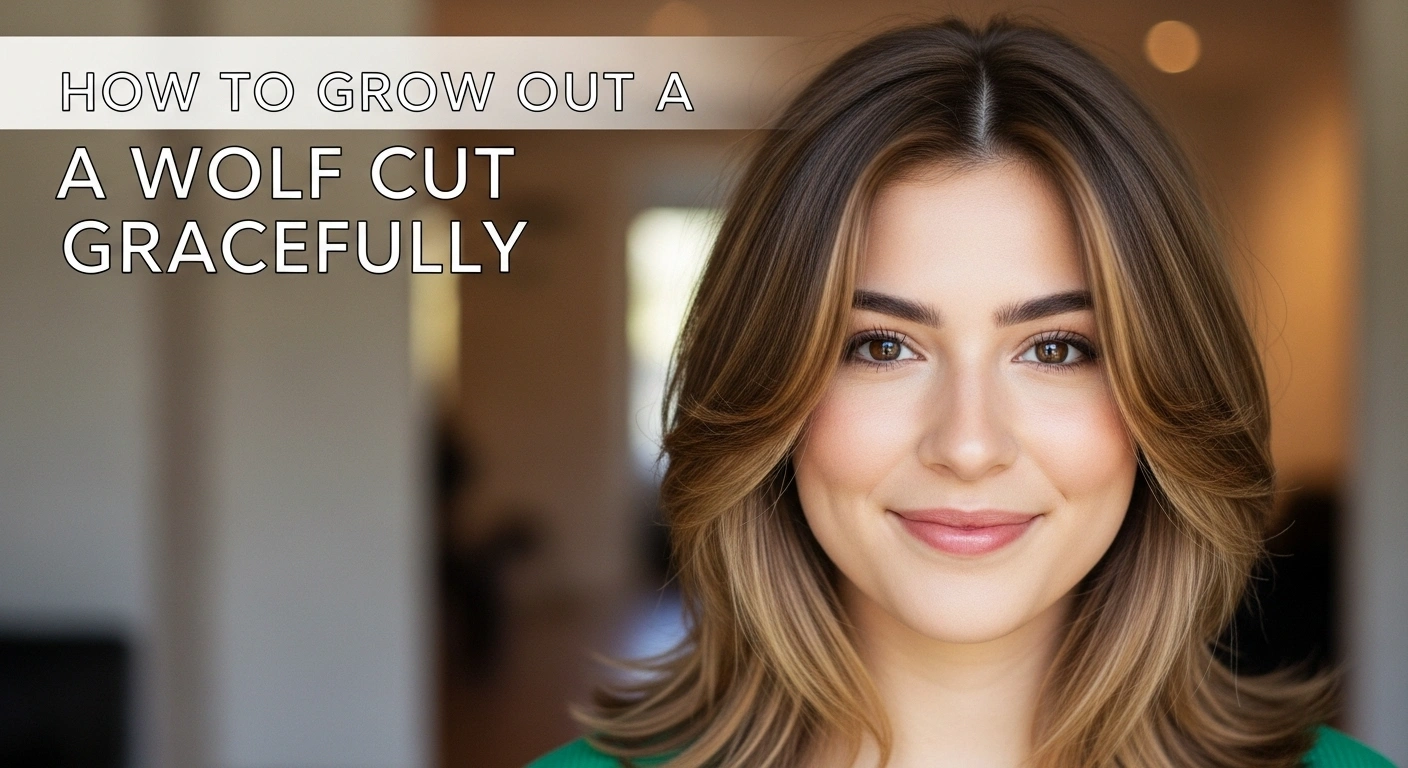
How to Grow Out a Wolf Cut Gracefully
Here’s a complete strategy to transition from a wolf cut to a longer hairstyle without awkward stages.
1. Start with a Shape-Preserving Trim
The biggest mistake people make is avoiding haircuts. But to grow out a wolf cut smoothly, you should trim every 8–10 weeks.
- Ask your stylist to dust the ends (remove only ¼ inch).
- Focus on blending layers rather than removing length.
- Keep the face-framing sections fresh to maintain structure.
Pro tip: Tell your stylist you want to transition from a wolf cut to a long shag — they’ll shape it accordingly.
2. Add Transitional Layers
As your hair grows, the short top layers can make the top appear uneven. To fix this:
- Gradually add longer face-framing layers to blend the lengths.
- Ask for soft tapering at the ends to prevent a bulky look.
- Keep curtain bangs or long fringe — they’re easier to grow out and shape your face beautifully.
This blending phase helps the wolf cut evolve naturally into a modern shag or layered haircut.
3. Control the Crown Volume
When growing out, the top section can get overly puffy. Instead of flattening it completely, aim for balanced volume.
Here’s how:
- Use a lightweight smoothing cream or serum on damp hair.
- Blow-dry using a round brush to direct the volume downward.
- Avoid heavy oils or waxes that weigh hair down.
Bonus: Dry shampoo can add soft texture without greasy buildup — perfect for wolf cut layers.
4. Adjust Your Styling Routine
The right styling makes all the difference in this phase.
Try These Looks:
- Soft Waves: Use a curling wand or heatless rollers for a beachy vibe.
- Half-Up Hairstyles: Keep the top layers neat while letting the lower ones flow.
- Low Bun or Ponytail: Great for uneven lengths — looks classy yet casual.
- Braids and Twists: Hide uneven layers stylishly.
- Headbands, Clips, and Scarves: Trendy accessories help disguise transitional stages.
These styles make you look intentional — not like you’re “growing something out.”
5. Maintain Hair Health
Healthy hair grows faster and more evenly. Focus on strength, hydration, and scalp care throughout the process.
| Hair Care Step | Why It Matters |
|---|---|
| Sulfate-Free Shampoo | Prevents dryness and preserves natural oils. |
| Deep Conditioning Mask (weekly) | Restores moisture and elasticity. |
| Scalp Massage (3x/week) | Boosts circulation and stimulates follicles. |
| Leave-In Conditioner | Keeps hair smooth and tangle-free. |
| Regular Oil Treatments | Strengthens strands and reduces split ends. |
Try natural oils like argan, jojoba, or rosemary oil, which are proven to support healthy growth.
6. Eat for Hair Growth
Your diet directly impacts how fast and strong your hair grows.
Focus on nutrient-dense foods rich in:
| Nutrient | Food Sources | Benefit |
|---|---|---|
| Protein | Eggs, fish, lentils | Builds keratin for strong strands |
| Biotin (Vitamin B7) | Nuts, seeds, sweet potatoes | Improves hair thickness |
| Iron | Spinach, red meat | Boosts oxygen flow to follicles |
| Omega-3 Fatty Acids | Salmon, walnuts | Keeps scalp hydrated |
| Zinc & Vitamin D | Mushrooms, fortified milk | Prevents hair thinning |
If your diet lacks these, consider supplements after consulting a dermatologist.
7. Limit Heat and Chemical Damage
Using hot tools or harsh treatments while growing out your wolf cut can cause breakage.
- Use a heat protectant spray before blow-drying or curling.
- Limit heat styling to 2–3 times a week.
- Avoid bleaching or excessive coloring until your hair stabilizes.
If you love experimenting with color, try temporary tints or glosses instead of permanent dyes.
The Best Hairstyles for Each Grow-Out Stage
You don’t need to hide your hair during the grow-out — you just need the right style for the phase you’re in.
| Stage | Common Issues | Best Hairstyles |
|---|---|---|
| Early Stage (0–3 months) | Uneven crown layers, choppy ends | Messy bun, half-up ponytail, tousled waves |
| Mid Stage (4–8 months) | Length mismatch between top and bottom | Low braid, sleek ponytail, headband styles |
| Final Stage (9+ months) | Heavy bottom layers, longer bangs | Curtain bang styling, blowout curls, claw clip updos |
Product Recommendations for a Smooth Transition
Here are the must-have hair products that help your wolf cut grow out beautifully:
| Product Type | Function | Example |
|---|---|---|
| Volumizing Mousse | Keeps roots lifted | Moroccanoil Volumizing Mousse |
| Leave-In Conditioner | Softens ends and prevents frizz | It’s a 10 Miracle Leave-In |
| Texturizing Spray | Adds definition to grown layers | Ouai Wave Spray |
| Heat Protectant | Prevents heat damage | Tresemmé Thermal Creations |
| Hair Serum/Oil | Adds shine and tames frizz | OGX Argan Oil of Morocco |
Pro Tip: Apply products only from mid-length to ends to avoid greasiness at the roots.
How to Transition from a Wolf Cut to Other Styles
Once your hair reaches a comfortable length, you can reshape it into another flattering cut.
Here are some ideas:
1. The Long Shag
If you loved your wolf cut’s volume, keep the textured feel by turning it into a long shag. It softens the mullet structure while maintaining natural movement.
2. The Layered Lob
For those who prefer a neater look, the lob (long bob) is a great intermediate option. It blends shorter layers seamlessly.
3. Curtain Bangs & Long Layers
Keeping your bangs while growing out the rest adds elegance and frames your face perfectly.
4. The Butterfly Cut
This trending cut mimics the wolf cut’s body but with softer, flowing layers — ideal for the final grow-out phase.
How to Avoid the “Awkward Phase”
Almost everyone hits an awkward stage — but it’s totally manageable.
Here’s how to breeze through it:
- Use Accessories: Hair clips, scarves, and bandanas keep shorter strands in place.
- Play with Texture: Curling or waving the hair hides uneven layers.
- Experiment with Bangs: Refresh curtain bangs to frame your face attractively.
- Hydrate Ends Daily: Apply serum to prevent dryness and maintain a healthy appearance.
- Style with Confidence: Even if the shape changes, intentional styling makes it look fashionable.
Frequently Asked Questions (FAQs)
1. Can you grow out a wolf cut without cutting it?
Technically yes, but you’ll deal with uneven texture. Light trims help maintain shape and prevent split ends.
2. Will my wolf cut turn into a mullet when growing out?
If not maintained, it might — but regular shaping trims and blending layers prevent that.
3. What’s the best haircut after growing out a wolf cut?
The long shag or butterfly cut are perfect follow-up styles that retain movement and flow.
4. How often should I get trims while growing out my wolf cut?
Every 8–10 weeks to keep layers blended and ends healthy.
5. Does coloring affect hair growth?
It doesn’t slow growth but can weaken strands if done too frequently. Opt for gentle, ammonia-free dyes.
Wolf Cut Grow-Out Timeline Summary
| Month | Hair Changes | Styling Focus |
|---|---|---|
| 1–3 | Top grows heavier; ends may flip | Textured waves, half-updos |
| 4–6 | Layers start blending | Use mousse for volume control |
| 7–9 | Achieve shoulder-length | Trim ends, deep-condition weekly |
| 10–12 | Near long shag/butterfly phase | Add soft curtain bangs |
Final Thoughts: Embrace the Transition
Growing out a wolf cut gracefully is all about balance, patience, and proper maintenance. Every phase has its charm — and with smart trimming, healthy care, and creative styling, you’ll avoid the awkward stage completely.
Remember:
- Keep trims consistent.
- Nourish your hair from root to tip.
- Style intentionally.
- Enjoy each transformation step.
Your wolf cut’s grow-out journey doesn’t have to be frustrating — it can be a fun style evolution that shows off your personality, creativity, and confidence.

Alex Morgan is a professional hairstylist and hair trends enthusiast with over 8 years of experience in modern and classic cuts. Specializing in the wolf cut haircut for all hair types, Alex has worked with clients across the USA to create effortlessly stylish, face-framing looks that blend texture with volume.