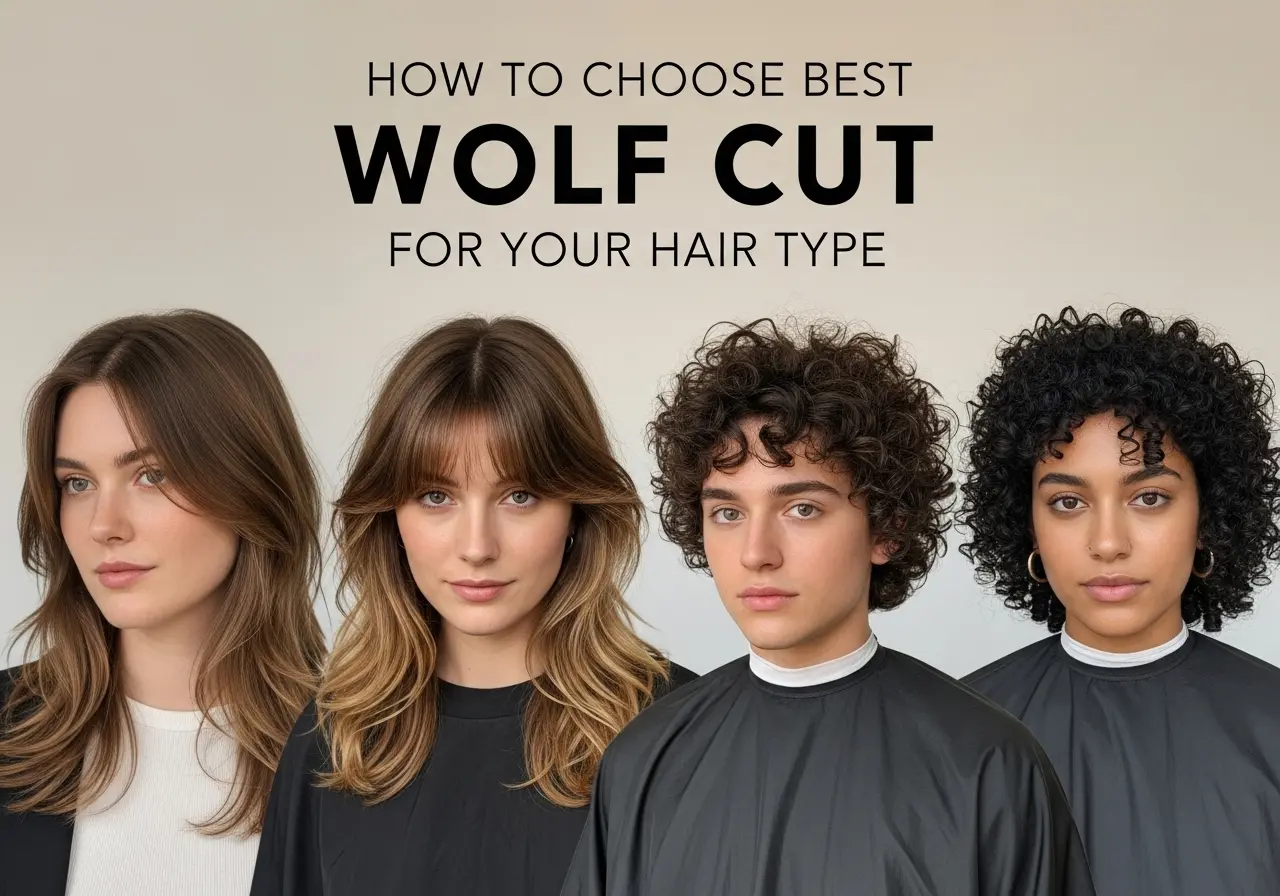
How to Choose the Best Wolf Cut for Your Hair Type
The wolf cut has become a viral sensation in the world of hairstyling, taking the beauty industry by storm with its blend of edgy layers, texture, and versatility. Whether you have curly, straight, or wavy hair, the wolf cut can be tailored to suit your unique hair texture and face shape. In this article, we’ll dive into how to choose the best wolf cut for your hair type, ensuring that you can achieve a stunning look that enhances your features.
What is a Wolf Cut?
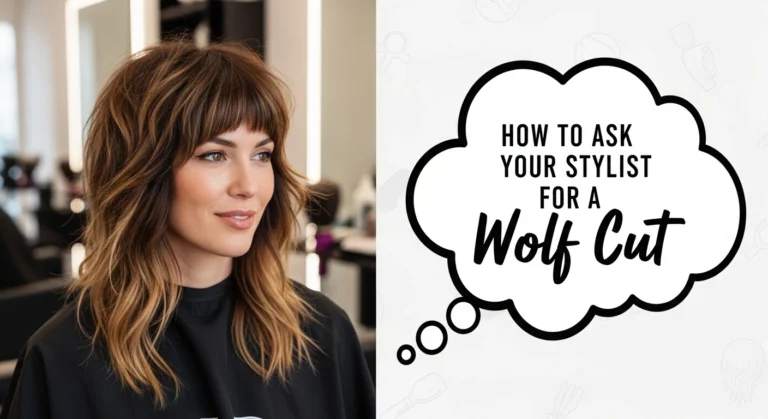
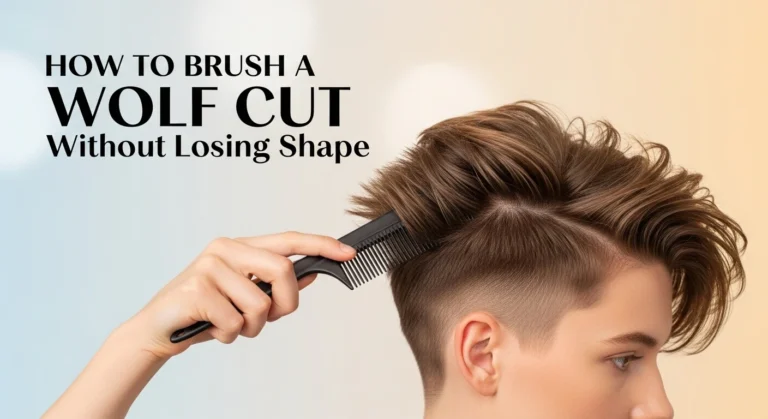
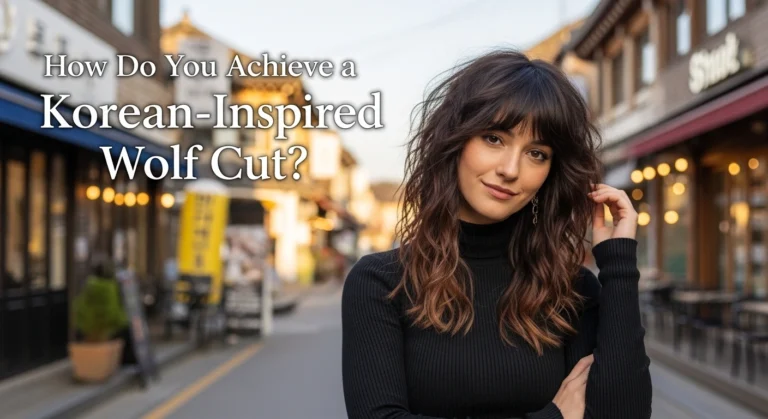
The wolf cut is a hybrid hairstyle that combines elements of a shag cut and a mullet. It features layered hair, with shorter layers framing the face and longer layers at the back, creating a textured, voluminous effect. This style can be worn in various ways, from tousled and wild to sleek and controlled, making it a versatile option for different looks.
Why the Wolf Cut is So Popular
The wolf cut is gaining popularity because of its rebellious, rocker-chic vibe, and its adaptability to various hair textures. This cut works for anyone looking to make a bold statement without going too extreme. Whether you want to embrace your natural hair texture or try something completely new, the wolf cut offers endless styling possibilities.
How to Choose the Best Wolf Cut for Your Hair Type
Choosing the right wolf cut for your hair type is crucial for achieving the best look. The shape and texture of your hair can significantly impact how the layers fall and how much volume you can achieve. Here’s a guide on how to select the best wolf cut based on your hair type.
1. Wolf Cut for Straight Hair
Straight hair provides a sleek canvas for the wolf cut. If you have straight hair, consider opting for a more dramatic contrast between short and long layers. The key to achieving a balanced wolf cut on straight hair is to ensure the layers are well-defined, with a focus on framing the face.
Key Tips for Straight Hair:
- Go for a sharper contrast between the layers for a more structured look.
- Incorporate fringe or bangs to add dimension and softness around the face.
- Use a texturizing spray or sea salt spray to enhance volume and create movement.
Straight hair allows for a sleek wolf cut with clean, angular layers that can be styled to perfection with a straightener or blow dryer.
2. Wolf Cut for Curly Hair
Curly hair naturally has more volume, which can complement the layered look of the wolf cut beautifully. When choosing a wolf cut for curly hair, it’s essential to keep the curl pattern in mind. Curly hair often requires more consideration to avoid the look becoming too frizzy or heavy.
Key Tips for Curly Hair:
- Opt for longer layers to maintain the integrity of your curls.
- Keep the fringe or bangs longer and layered to avoid excess bulk around the forehead.
- Work with your natural curl pattern to avoid over-styling and frizz.
- Use curl-enhancing products to define your curls and prevent the cut from looking too messy.
A curly wolf cut is ideal for adding structure and definition to your natural curls while maintaining movement and volume.
3. Wolf Cut for Wavy Hair
Wavy hair offers the perfect balance between straight and curly hair, making it incredibly versatile for the wolf cut. The natural texture of wavy hair complements the choppy layers of the cut, providing an effortless, beachy vibe.
Key Tips for Wavy Hair:
- Opt for medium to long layers that allow the waves to flow naturally.
- Add some volume at the crown for a fuller, more dramatic look.
- Consider a curtain fringe for a soft, face-framing effect.
- Use a mousse or light styling cream to define your waves and prevent the cut from looking too flat.
The wolf cut on wavy hair gives you the best of both worlds: texture without sacrificing smoothness.
4. Wolf Cut for Thin Hair
If you have thin hair, you may worry that the wolf cut might make your hair look limp or lackluster. However, this hairstyle can actually help add volume and texture to fine hair. The layers in the wolf cut create movement and body, making thin hair appear thicker and fuller.
Key Tips for Thin Hair:
- Keep the layers light and not too chunky, as heavy layers can weigh down thin hair.
- Focus on creating volume at the roots to add lift and dimension.
- Avoid overly short layers, as they can make fine hair look even thinner.
- Use a lightweight volumizing mousse or dry shampoo to boost fullness.
With the right styling, a wolf cut can give thin hair the appearance of thickness and volume, without sacrificing the edgy feel of the cut.
5. Wolf Cut for Thick Hair
Thick hair offers the most versatility with the wolf cut. The natural volume in thick hair helps the layers stand out, giving you that dramatic, multi-textured effect that the wolf cut is known for. However, it’s important to avoid overwhelming your hair with too many heavy layers.
Key Tips for Thick Hair:
- Keep the layers well-distributed to avoid bulky sections.
- Add volume and texture at the crown for a fuller appearance.
- A slightly shorter wolf cut can help reduce excess bulk in thick hair.
- Use a smoothing cream or light styling gel to tame frizz and keep the layers in place.
For thick hair, the wolf cut can be a game-changer, giving you a voluminous, edgy style that doesn’t feel too heavy.
How to Style Your Wolf Cut
Once you’ve chosen the best wolf cut for your hair type, styling it becomes the next crucial step. Here are some styling tips to help you make the most of your new cut:
1. Texture and Volume
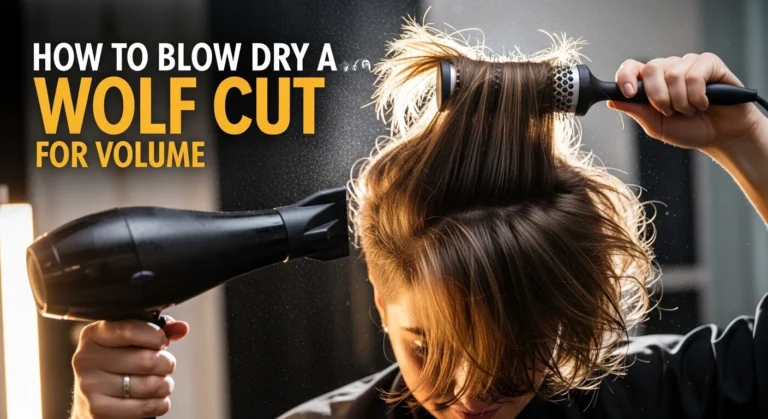
The wolf cut thrives on texture and volume. Whether you have straight, wavy, or curly hair, texturizing products are key to getting that wild, tousled look. Use sea salt spray or texturizing mousse to enhance your layers and add definition to your style.
2. Fringes and Bangs
Adding a fringe or bangs to your wolf cut can elevate the look and add more face-framing dimension. Curtain bangs or shaggy bangs are popular choices that pair well with the layered structure of the wolf cut.
3. Flat or Messy?
Decide how you want your wolf cut to look: sleek and polished or messy and undone. For a more controlled look, use a flat iron to smooth out the layers. For a more relaxed style, use a texturizing spray and tousle your hair with your fingers for a messy, voluminous effect.
4. Regular Maintenance
The wolf cut requires regular trimming to maintain its shape. As the layers grow, they can lose their definition and become uneven. Schedule regular trims to keep the cut looking sharp and fresh.
Also Read: How to Fix a Bad Wolf Cut in a Few Simple Steps
Conclusion
The wolf cut is a versatile, edgy hairstyle that works with virtually any hair type. Whether you have straight, curly, or wavy hair, there’s a wolf cut style that’s perfect for you. By choosing the right cut for your texture and learning how to style it to its full potential, you can rock a bold, statement-making look that’s tailored to your personal style. Embrace the wolf cut and let your hair show off its natural beauty with layers that bring out its best features.

Alex Morgan is a professional hairstylist and hair trends enthusiast with over 8 years of experience in modern and classic cuts. Specializing in the wolf cut haircut for all hair types, Alex has worked with clients across the USA to create effortlessly stylish, face-framing looks that blend texture with volume.